The last time that England hosted a World Cup, in 1966, things ended up going pretty well for us, didn’t they? We’re hoping for a repeat of the glory in 2035, with the English FA officially submitting a joint bid, alongside the Irish FA, Scottish FA and FA of Wales, to host the FIFA Women’s World Cup.
The tournament would be the largest single-sport event ever staged in the UK, with 22 proposed stadiums—including 16 in England, three in Wales, two in Scotland and one in Northern Ireland. With 63 million people living within two hours of a proposed venue, it’s arguably the most accessible tournament ever, too.
A joint statement from the CEOs of the FA, Irish FA, Scottish FA and FA of Wales says:
Hosting the FIFA Women’s World Cup would be a huge privilege for our four home nations. If we are successful, the 2035 tournament will be the biggest single-sport event held on UK soil with 4.5 million tickets available for fans.
We are proud of the growth that we’ve driven in recent years across the women’s and girls’ game, but there is still so much more growth to come, and this event will play a key role in helping us deliver that. Working together with FIFA, a Women’s World Cup in the UK has the power to turbo charge the women’s and girls’ game both in the UK and globally. Our bid also demonstrates our commitment to leaving a lasting legacy, in the run up to 2035, and the years afterwards.
Together, we want to welcome the world to the UK to celebrate and enjoy an unforgettable tournament.
What do we know so far about the FIFA Women’s World Cup 2035?
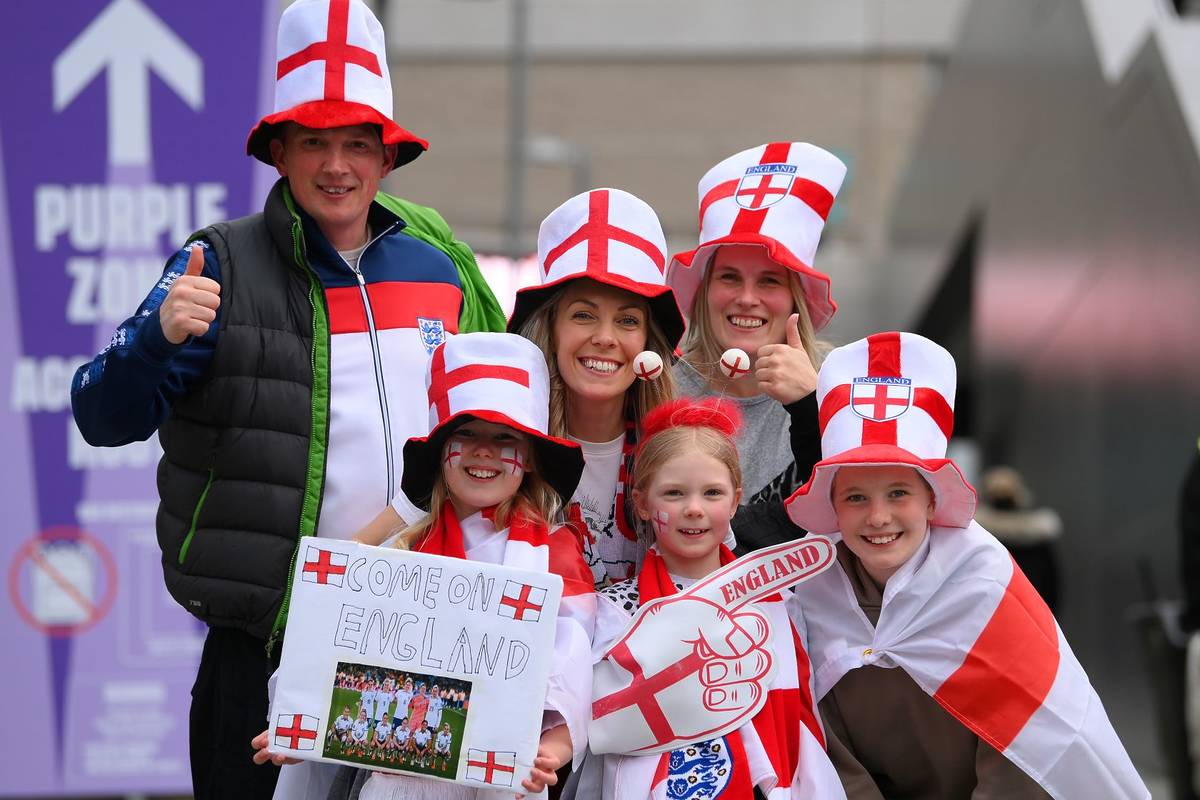
FIFA Women’s World Cup 2035 sees 22 proposed stadiums in 16 UK cities host 104 matches contested by 48 teams over 39 days, with 48 team base camp training sites, 82 venue-specific training sites and 32 FIFA Fan Festival Sites proposed. The tournament has projected 4.5 million ticket sales and a TV audience of 3.5 billion.
The UK’s proposed host cities and stadiums:
- Belfast – Clearer Twist National Stadium at Windsor Park
- Birmingham – Sports Quarter Stadium* and Villa Park
- Brighton & Hove – American Express Stadium
- Bristol – Ashton Gate
- Cardiff – Cardiff City Stadium and Principality Stadium
- Edinburgh – Easter Road
- Glasgow – Hampden Park
- Leeds – Elland Road
- Liverpool – Hill Dickinson Stadium
- London – Chelsea FC Stadium*, Emirates Stadium, Selhurst Park, Tottenham Hotspur Stadium and Wembley Stadium connected by EE
- Manchester – Etihad Stadium
- Newcastle – St James’ Park
- Nottingham – City Ground
- Sunderland – Stadium of Light
- Trafford – Old Trafford*
- Wrexham – Racecourse*
*Birmingham’s Sports Quarter Stadium, recently revealed as the Powerhouse Stadium, is a new stadium with a proposed capacity of 62,000 due to open in 2030; Chelsea FC is currently consulting on a range of options for a new home; Manchester United’s new stadium will be considered once plans are confirmed; and Wrexham AFC’s stadium is currently undergoing redevelopment.
Prime Minister, Sir Keir Starmer, said:
Our bid to host the 2035 FIFA Women’s World Cup shows the UK’s passion for football.
The Lionesses’ success has inspired girls across our country, and we’ll build on that momentum by welcoming millions of football fans from around the world to a tournament that will benefit communities and businesses in host cities up and down the UK.
With significant investment in school sport and grassroots facilities through our Plan for Change, we’re creating opportunities for girls to play for their national team.
When will a decision be made?
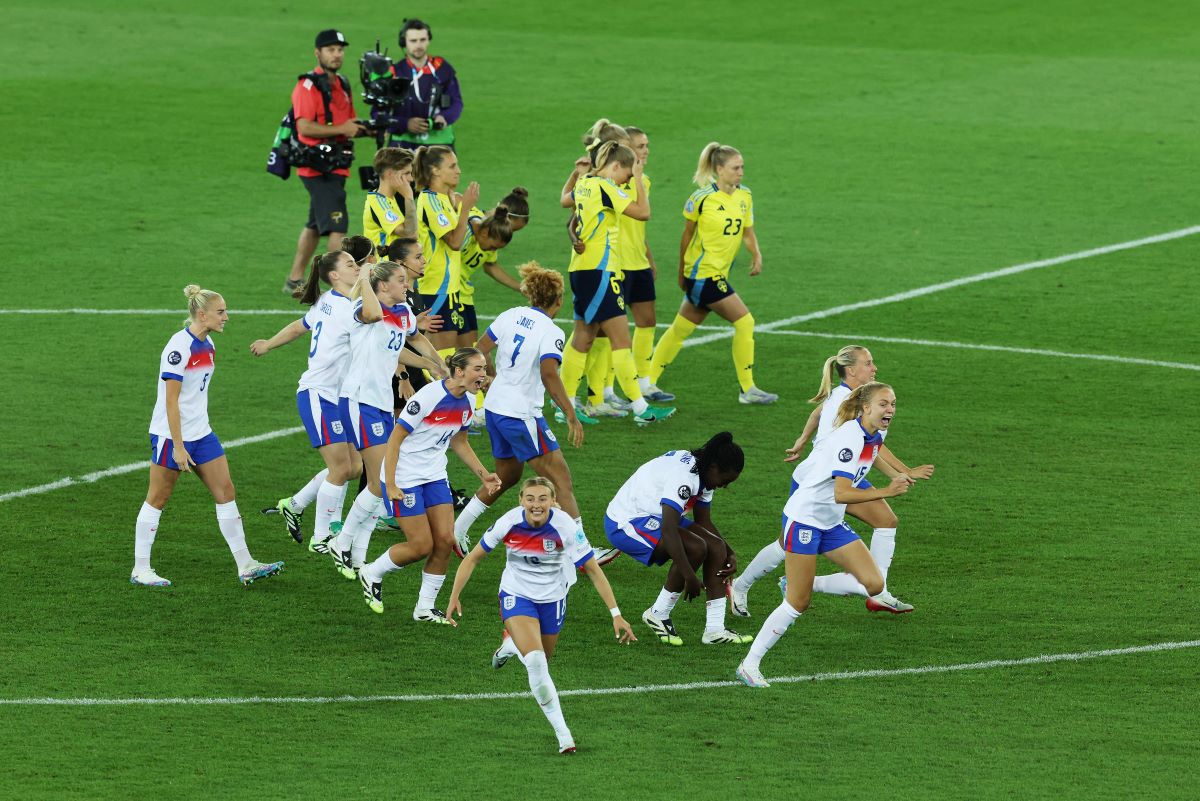
The hosts for both the 2031 and 2035 World Cups will be made at the FIFA Congress in Vancouver on April 30, 2026—with the United States, Mexico, Jamaica and Costa Rica the sole bidders for 2031. In April, FIFA president Gianni Infantino said that the UK was the sole and only “valid bid for 2035,” so now, only making it official, England, Scotland, Wales and Northern Ireland look guaranteed to host.