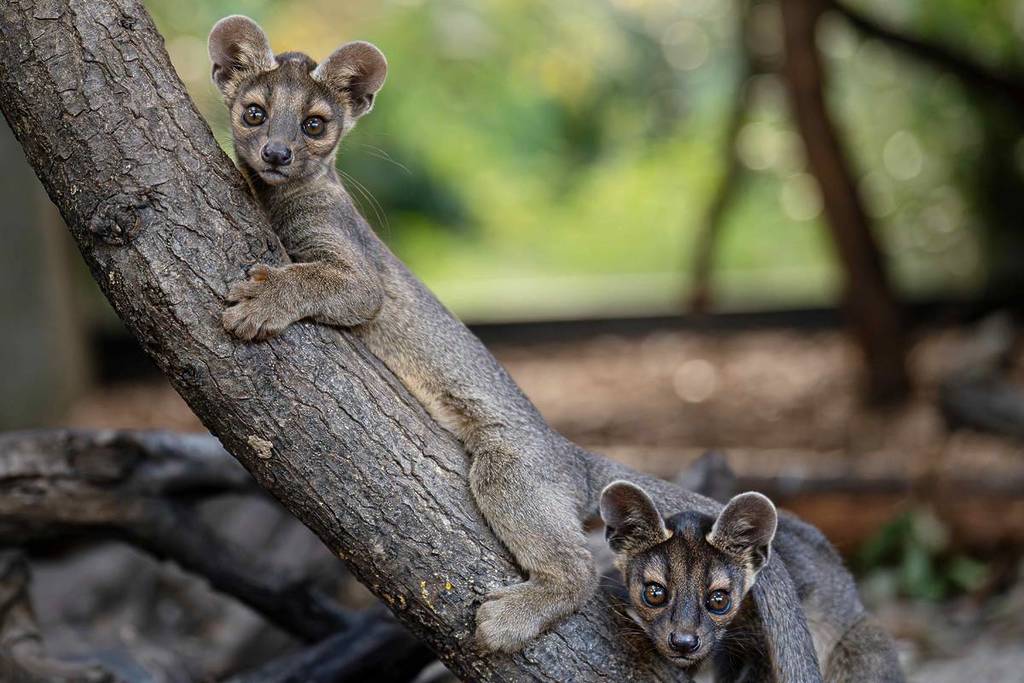
The UK’s only fossa pups have been born at Chester Zoo and mark one of three litters born in all zoos across Europe in 2025. The four rare pups, two male and two female, have been hailed by carnivore experts as “vital new additions” to an international breeding programme which is working to ensure the continued survival of the species.
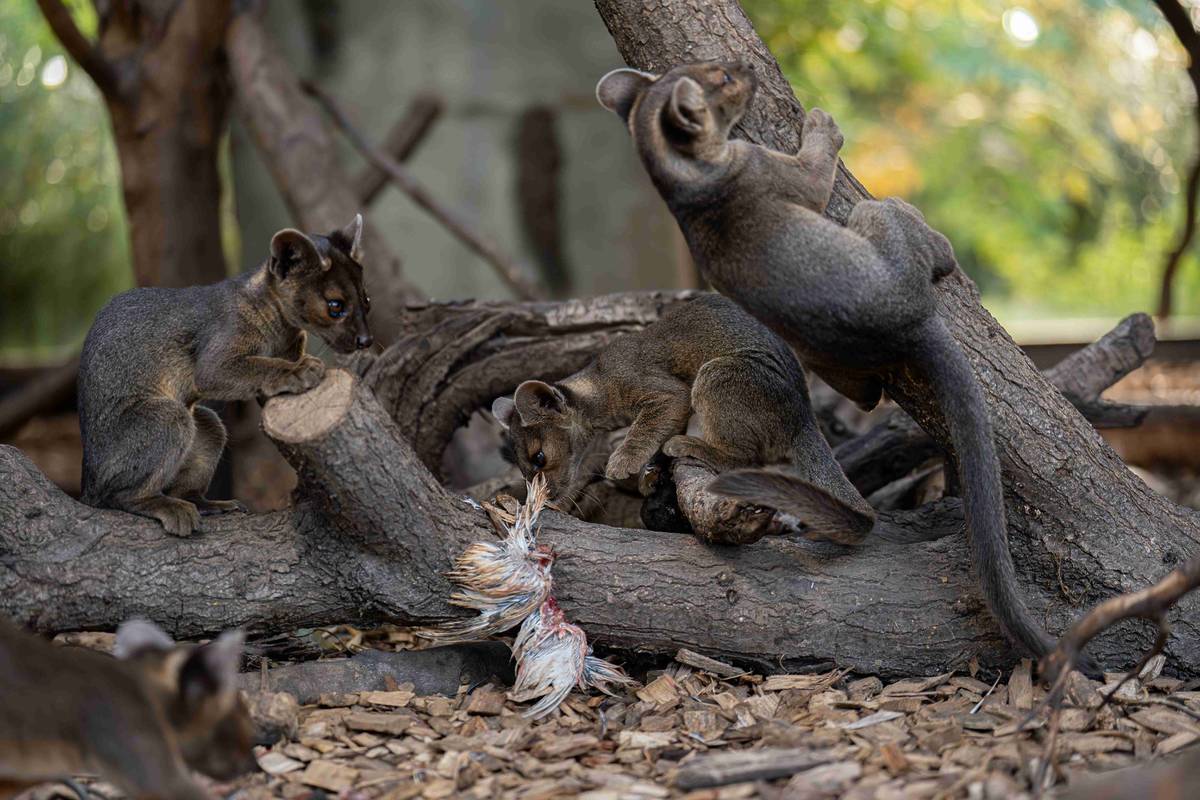
Born to parents Shala and Zaza, the birth of the pups comes after seven-year-old male Zaza arrived in Chester from San Diego Zoo in the USA in May, having been identified as an excellent genetic match for resident female, Shala. Having been born on 8 July 2025, the 12-week-old pups at the zoo have now been spotted venturing out for the first time by zookeepers and zoo visitors.
Facts about the fossa
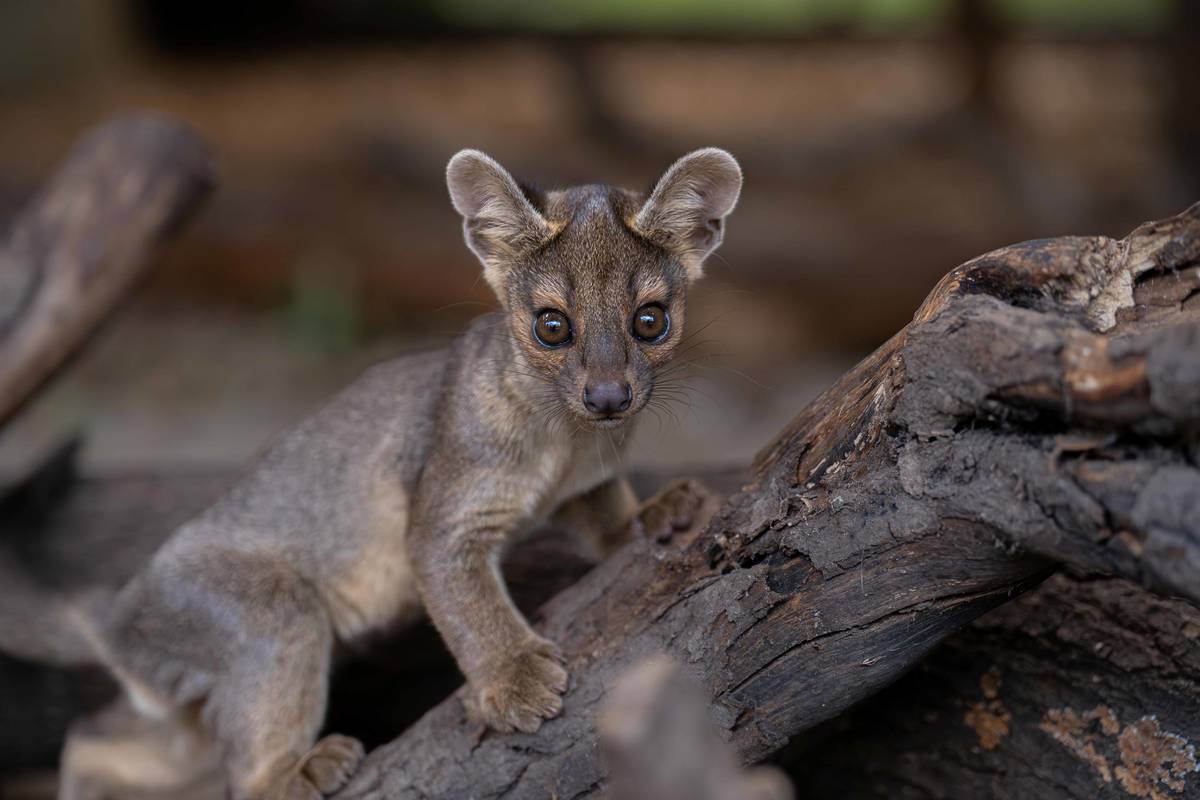
The fossa, a slender, cat-like mammal and the largest natural predator in Madagascar, is a highly threatened species with fewer than 2,500 estimated to remain in the wild. Their biggest threat is deforestation – up to 90% of Madagascar’s forests have already been lost.
Fossa pups are born blind, weighing about 100g (about the same as a small apple) and they can grow up to 6ft long (nose to tail) and weigh up to 12kg. Adapted for a life in the trees, they use long tails for balance and can climb down headfirst with the help of retractable claws.
“These births are therefore incredibly special.”
Mark Brayshaw, Head of Mammals at Chester Zoo, said: “The fossa is one of the world’s most mysterious and least-known carnivores – they’re so secretive that even the most experienced conservationists can go years without catching a glimpse of them in the wild as they move silently through Madagascar’s forests.
“These births are therefore incredibly special. Not only are they the only pups in the UK and vital new additions to a European breeding programme designed to safeguard the species from extinction, their arrival gives us a unique opportunity to learn more about their biology, behaviours and social dynamics. This insight helps us build a more complete picture of the species, which is then used to inform conservation efforts in the wild.”