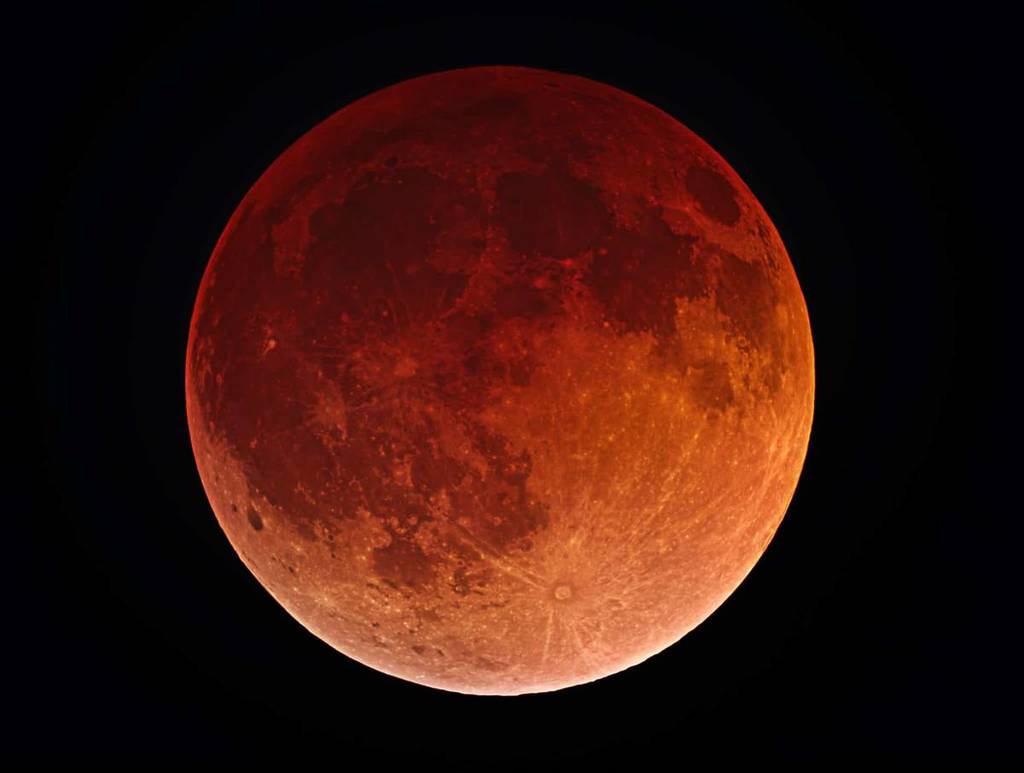
2026 is set to be a spectacular year for skywatchers and astronomy enthusiasts, featuring 13 full moons instead of the usual twelve.
This rare lunar calendar includes a Blue Moon, three supermoons, and two lunar eclipses, making it an exciting year for anyone fascinated by celestial events. The most dramatic event, however, arrives in March, when a total lunar eclipse will transform the full Moon into a striking Blood Worm Moon.
What is a Blood Moon?
Earth positions itself between the Sun and Moon, casting its umbra shadow over the lunar surface and scattering sunlight through the atmosphere to create the signature red glow.
Why is it called a Worm Moon?
The Worm Moon name draws from Native American, Colonial American, and European traditions tracked by The Old Farmer’s Almanack, where each full moon labels its entire lunar cycle and not just the peak night.
Native American tribes observed earthworms emerging from thawing winter soil in early spring, signalling renewal and the end of frost, hence, “Worm Moon” for March’s full moon.
Colonial settlers echoed this, tying it to nature’s awakening, while Europeans linked it to budding plants or worm-like larvae surfacing in mud.
When is the Worm Blood Moon taking place?
The total lunar eclipse on March 3, 2026, known as a “blood moon,” will turn the full Worm Moon reddish for about 58 minutes during totality, captivating skywatchers worldwide.
In London, the eclipse begins at 08:44 UTC (penumbral), partial at 09:50 UTC, and totality from 11:04 to 12:02 UTC after sunrise around 6:50 AM GMT, so the Moon sets before the red phase peaks.
Viewing tips for UK watchers
No equipment needed; gaze safely with naked eyes, binoculars, or telescopes from dark skies away from city lights. Seek elevated eastern horizons pre-dawn on March 3, monitor weather apps for clear skies, and join local astronomy groups in the UK for communal viewing events. Apps like Stellarium predict exact local timings.