
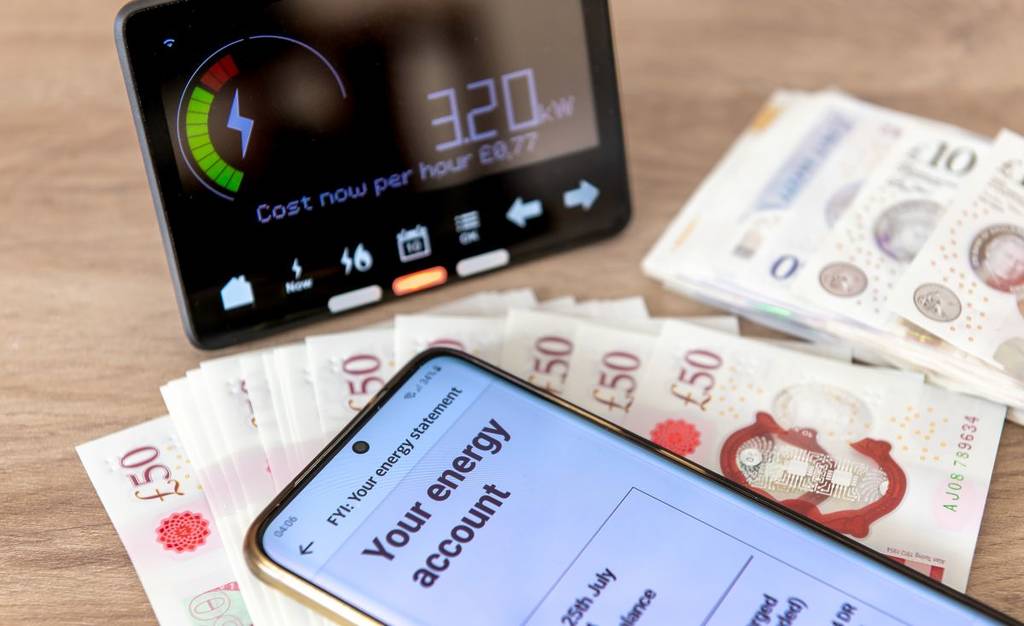
I won’t lie to you, folks – I come bearing some less-than-ideal post-Christmas, pre-snow forecast news. Many Brits will see a rise in their utility bills later this week, as the Ofgem energy price cap increase came into effect on Thursday, January 1.
Ofgem (AKA the Office of Gas and Electricity Markets) is Britain’s energy industry regulator, and every three months they review and update the country’s energy price cap levels. Despite forecasters suggesting that we might actually see a slight decrease in the January-March price cap, it was confirmed back in November that, unfortunately, that wouldn’t be the case. And that the price cap would, once again, be rising.
The energy price cap between January 1 and March 31
Between January 1 and March 31, the energy price cap will be set at £1758 per year for a typical household. This is 0.2% higher than the previous cap (between October and December), but approximately £20 a year more than last January‘s price cap.
The price cap is based on the usage of a typical household and whilst Ofgem have revealed a general estimate, the exact figure for each household will depend on factors including location, meter type, payment method, and – of course – how much energy the household uses. The cap sets the maximum amount that energy suppliers can charge for each unit of energy, not the bill as a whole. So, those who use more energy will pay more.
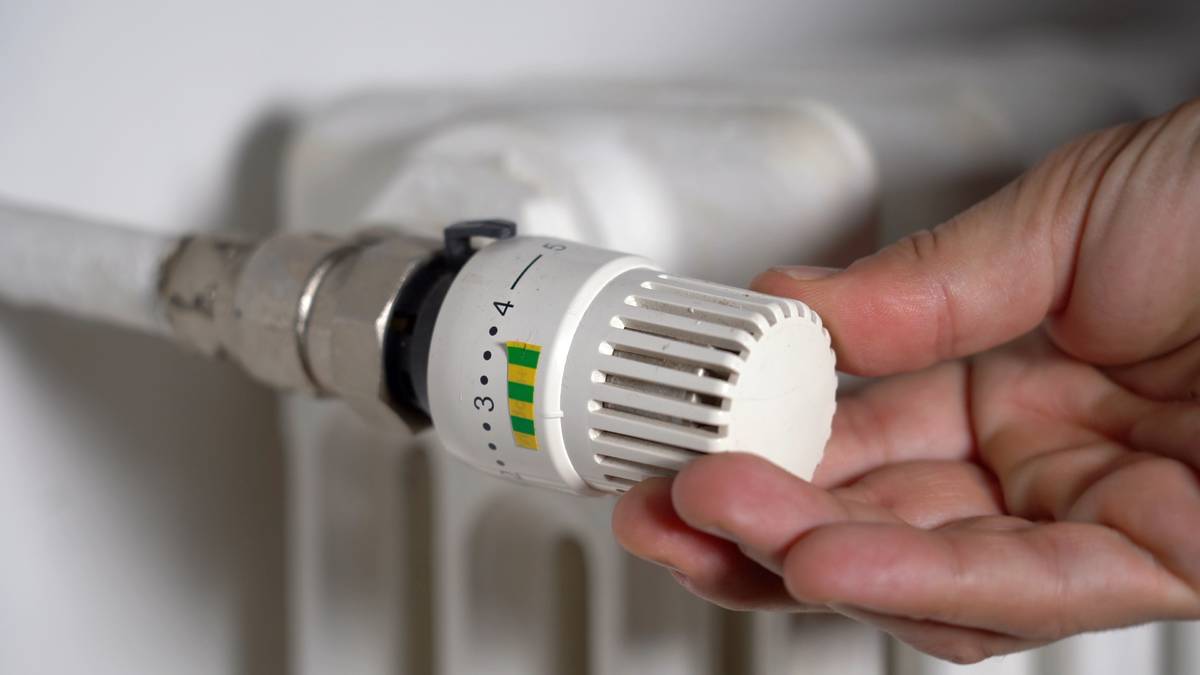
January’s price cap change will mean a small increase of approximately 28p per month for the average dual fuel household. The rate of electricity will climb from 26.35p to 27.69p per kWh. Gas, on the other hand, will actually decrease from 6.29p to 5.93p per kWh. So, this cap increase will effect households that rely on electricity more than gas for the likes of cooking and heating most.
The energy price cap is put in place to ensure that prices for people on a variable tariff remain fair and reflective of the actual cost of energy. Ofgem have suggested that January’s price cap increase has been driven by the government’s policy and operating costs. You’ll be affected by the increase if you live in Britain and pay for your gas and electricity by standard credit, direct debit, prepayment meter or Economy 7 meter.
How to reduce your energy bill over the coming months
Look, the information I’m about to give you isn’t particularly groundbreaking. But you’d be surprised by just how much of a difference these small changes can make to your energy bills. Turning off or unplugging devices when you’re not using them is a super easy way to reduce your bill. Switching to energy-efficient gadgets and appliances also helps lower your energy usage. Decreasing the temperature on your washing machine, only boiling the amount of water you actually need, and lowering your thermostat by a few degrees are some other simple ways to significantly reduce your energy bill over the course of a year.
You can find out more about the Ofgem energy price cap here.