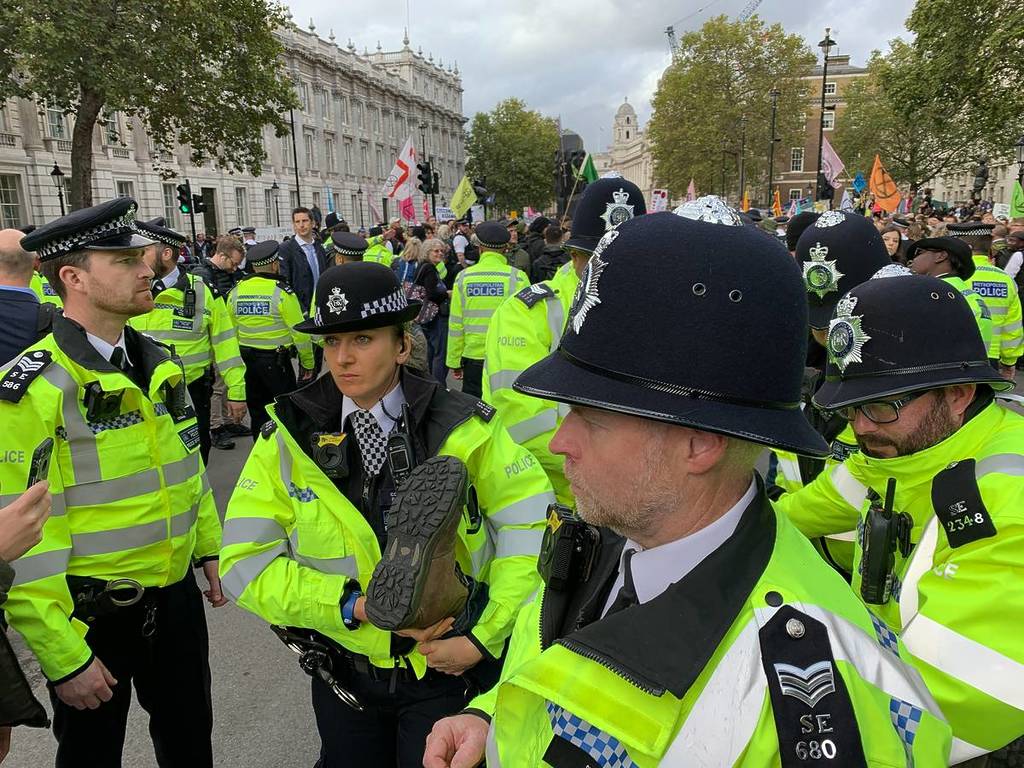
A new National Police Service (NPS), quickly dubbed a “British FBI” is set to overhaul how serious and everyday crime is tackled in England and Wales, in what ministers are calling the biggest shake-up of policing in 200 years.
What is the National Police Service?
The NPS will be a new national force responsible for crimes that cross local borders, such as terrorism, fraud, organised crime and online child abuse. It will only cover England and Wales, as policing in Scotland and Northern Ireland is devolved.
Home secretary Shabana Mahmood says the current policing model “was built for a different century” and has left some local forces without the skills or resources to confront complex modern crime. The NPS is designed to plug these gaps while allowing local officers to concentrate on neighbourhood issues like shoplifting, drug dealing, phone theft and anti-social behaviour.
A ‘British FBI’ with national powers
The NPS will bring several existing national and regional capabilities under one roof. These include:
- The National Crime Agency
- Counter-terrorism policing
- Regional organised crime units
- Police helicopters
- National road policing.
At the top of the new structure will be a national police commissioner, who will become the most senior police officer in the country. This role is intended to give clear strategic leadership over serious and organised crime that does not respect force boundaries.
Technology and facial recognition to be introduced
One of the most significant changes is that the NPS will control the purchase and rollout of technology and equipment for all 43 local forces in England and Wales. That includes a nationwide expansion of facial recognition systems.
Ministers say the new service will deploy state-of-the-art tools and “world-class talent” to track down dangerous offenders more effectively. In practice, that centralised tech buying power is meant to end the patchwork of systems across forces and create a more consistent national approach.
The NPS will also set professional standards and training requirements so every officer in England and Wales is held to the same benchmark, regardless of where they serve. Alongside this, local forces will face new targets on 999 response times, victim satisfaction, and levels of public trust and confidence.
These metrics will be published and forces graded, allowing direct comparison of performance between areas. The Home Office argues that this transparency will make policing more accountable and ensure the public receive the same level of service no matter where they live.
When will the National Police Service come into power?
Although a firm start date has not yet been confirmed, the announcement is being trailed as the first step in a wide package of reforms. The government says these changes will amount to the largest reform of policing since the modern police service was founded two centuries ago.
Mahmood is expected to set out further details on how responsibilities will be divided so that, in her words, “local forces protect their community, and national policing protects everyone.”